Achillea ptarmica
Template:Short description Template:Speciesbox
Achillea ptarmica is a Eurasian species of herbaceous perennial flowering plant in the genus Achillea. Common names include the sneezewort, sneezeweed, bastard pellitory, European pellitory, fair-maid-of-France, goose tongue, sneezewort yarrow, wild pellitory, and white tansy.<ref>{{#invoke:citation/CS1|citation |CitationClass=web }}</ref>
Description
Achillea ptarmica has loose clusters of showy white composite flower heads that bloom from June to August. Its dark green leaves have finely toothed margins. Like many other plants, the sneezewort's pattern of development displays the Fibonacci sequence.<ref name="Britton">{{#invoke:citation/CS1|citation |CitationClass=web }}</ref>
Etymology
The name ptarmica comes from the Greek word ptairo (=sneeze) and means 'causes sneezing'.
_-_Theodore_Green_-_26_1931_7.jpg)
Distribution and habitat
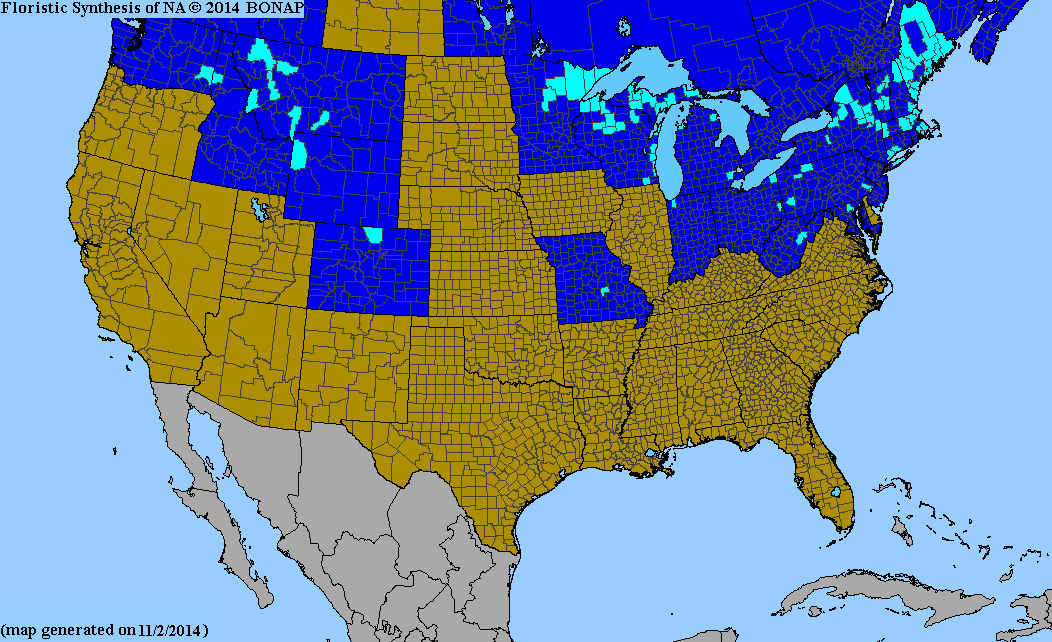
It is native to Europe and western Asia.<ref name=":0">{{#invoke:citation/CS1|citation |CitationClass=web }}</ref> It is widespread across most of Europe and naturalized in scattered places in North America.<ref>Altervista Flora Italiana, Millefoglio palustre, Sneezewort, Achillea ptarmica L. includes photos and European distribution map</ref><ref>Flora of North America Vol. 19, 20 and 21 Page 494 Sneezeweed, sneezewort, achillée ptarmique, herbe-à-éternuer Achillea ptarmica Linnaeus, Sp. Pl. 2: 898. 1753.</ref><ref>Biota of North America Program 2014 county distribution map</ref><ref>The IUCN Red List of Threatened Species</ref>
Uses
The leaves can be eaten raw or cooked. The leaves are used as an insect repellent. The plant yields an essential oil that is used in herbal medicine.<ref name="Temperate Plants Database">{{#invoke:citation/CS1|citation |CitationClass=web }}</ref><ref name="Plants for a future">{{#invoke:citation/CS1|citation |CitationClass=web }}</ref> When chewed, the plant produces a numbing, tingling effect in the mouth, comparable to that of Sichuan pepper. For this reason, it is sometimes used in herbal medicine to relieve toothache or ulcers, and as a culinary herb.<ref>{{#invoke:citation/CS1|citation |CitationClass=web }}</ref><ref>{{#invoke:citation/CS1|citation |CitationClass=web }}</ref>
Cultivation
This is a hardy, drought-tolerant plant that prefers full sun and moist but well-drained soil. Propagation is by sowing seed or division in spring.<ref>Template:Cite book</ref><ref>Template:Cite book</ref> It will tolerate hot, humid summers, and drought.<ref name=":0" />